




A Cuisine Rooted in Everyday Life
Italian cuisine is known for turning simple ingredients into memorable meals. It is not about complexity but about respect for food and tradition. Families across Italy treat cooking as part of daily life, where meals bring people together and create lasting connections.
The Power of Simple Ingredients
One of the defining features of Italian cooking is its focus on quality ingredients. Fresh vegetables, olive oil, herbs, cheese, and grains form the foundation of most dishes. When ingredients are fresh and well-chosen, they naturally create rich flavor without the need for heavy seasoning. This philosophy is central to Italian Food and its global appeal.
Regional Identity in Every Dish
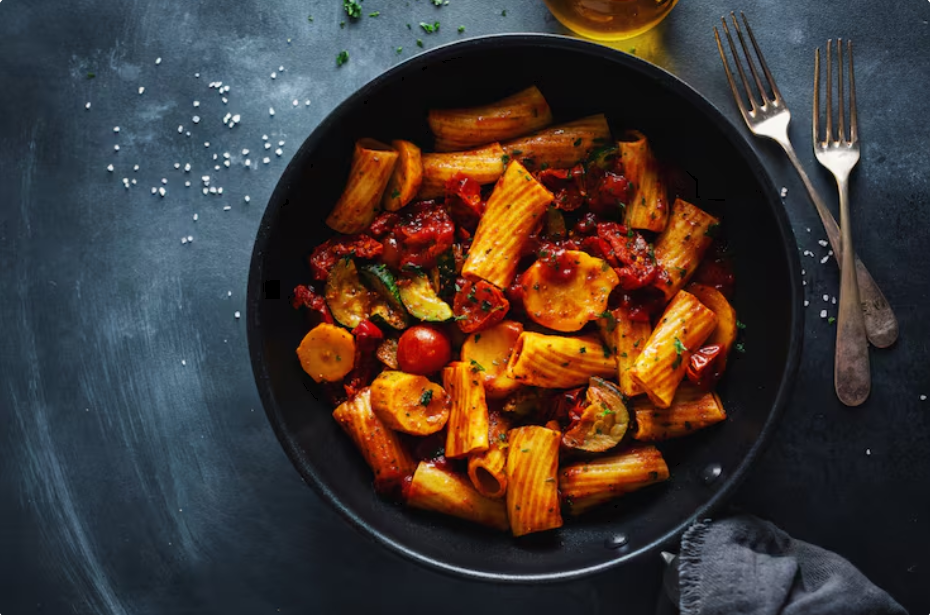
Italy’s regions each have their own cooking styles shaped by geography and history. Coastal areas focus on seafood, while inland regions rely on grains, cheeses, and meats. Northern dishes are often creamy and comforting, while southern recipes highlight tomatoes, olive oil, and herbs. This regional variety keeps Italian cuisine diverse and exciting.
Tradition Passed Through Generations
Recipes in Italy are often family treasures, passed down from grandparents to children. Cooking methods and ingredient choices are preserved with pride. These traditions ensure that Italian Food remains authentic, connecting modern kitchens to centuries-old practices.
Balance Between Flavor and Nutrition
Italian meals are designed to feel satisfying without being heavy. Portions are balanced, and meals often include vegetables, proteins, and grains working together. Olive oil, legumes, and fresh produce support a wholesome way of eating that feels indulgent yet mindful.
The Importance of Cooking Methods
Techniques such as slow simmering sauces, hand-rolling dough, and gentle grilling bring out natural flavors. Italian cooking respects timing and temperature, allowing food to develop depth without losing its essence. These methods are as important as the ingredients themselves.
Meals as Social Experiences
In Italian culture, meals are rarely rushed. Lunches and dinners are moments to pause, talk, and enjoy company. Food becomes a reason to gather, celebrate, and strengthen relationships. This social aspect adds emotional value to every dish.
Street Food and Casual Favorites
Beyond home cooking, Italy offers a rich street food culture. Simple items like filled breads, fried snacks, and quick bites showcase regional creativity. These foods are affordable, flavorful, and deeply connected to local traditions.
Vegetarian-Friendly Traditions
Many Italian dishes naturally support vegetarian lifestyles. Vegetables, cheeses, grains, and legumes are widely used. This makes Italian Food accessible to many dietary preferences while still delivering satisfying taste and texture.
Global Influence and Adaptation
Italian cuisine has spread worldwide, adapting to local tastes while maintaining its core identity. Restaurants across the globe celebrate classic recipes, proving the universal appeal of Italian flavors. This influence highlights how tradition can travel without losing authenticity.
Modern Innovation in Italian Kitchens
Today’s chefs continue to experiment with presentation and ingredient combinations. While honoring tradition, they introduce lighter options and creative interpretations. This balance of old and new keeps Italian cooking fresh and relevant.
Respect for Seasonal Eating
Seasonality plays a major role in Italian kitchens. Ingredients are chosen based on availability, ensuring freshness and flavor. This approach supports sustainability and encourages mindful consumption.
Emotional Connection to Food
For many people, Italian meals are tied to comfort and memory. A familiar aroma or recipe can instantly recall family gatherings or special moments. Food becomes a bridge between past and present.
Why Simplicity Matters
Italian cuisine proves that great food does not need to be complicated. When ingredients are respected and techniques are trusted, meals naturally shine. This simplicity is what makes Italian Food timeless and loved across generations.
Conclusion
Italian cooking blends tradition, simplicity, and flavor into an experience that goes beyond taste. Through regional diversity, mindful preparation, and social connection, it continues to inspire kitchens worldwide. Its enduring charm lies in its ability to make simple moments feel special, one meal at a time.