




Deep Roots in History and Tradition
Asian food is closely tied to ancient civilizations, traditions, and regional lifestyles. Passed down through generations, recipes often reflect local geography, climate, and cultural values. Cooking methods, spices, and ingredients are chosen not only for taste but also for balance and harmony.
Diversity Across Regions
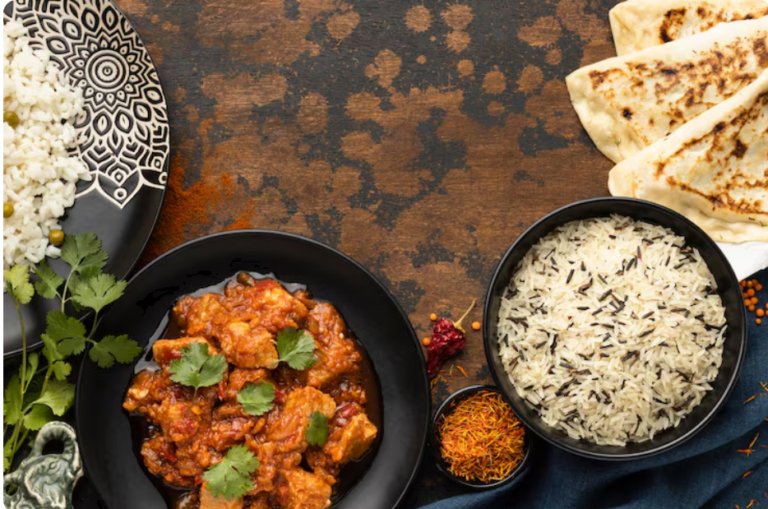
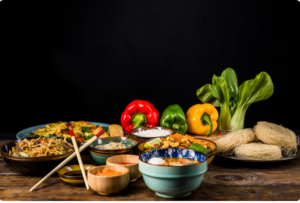
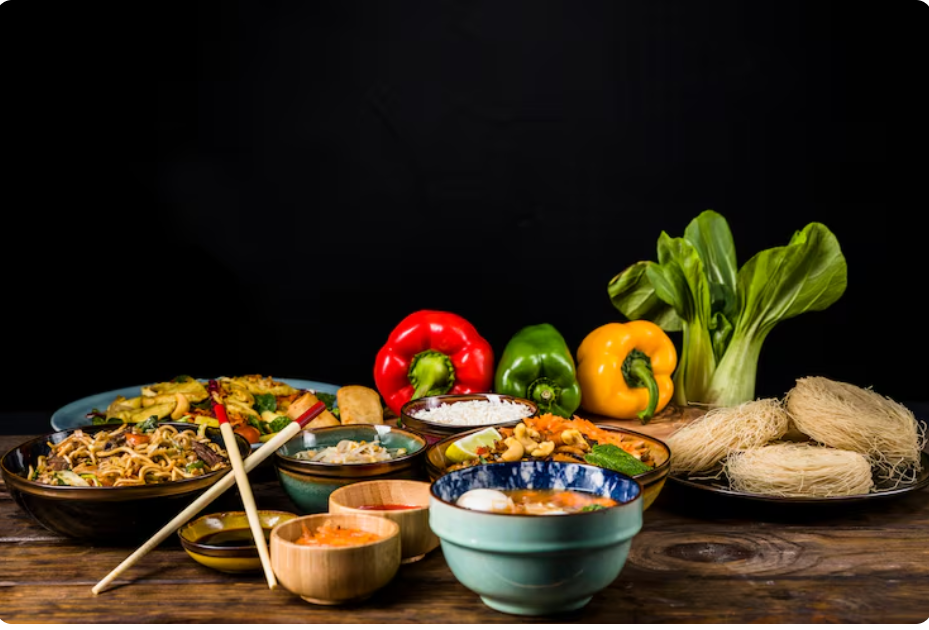
One of the most remarkable aspects of this cuisine is its diversity. From East Asia to South and Southeast regions, every area offers unique flavors and techniques. Rice-based meals, noodle dishes, aromatic curries, and fermented foods show how culture shapes everyday eating habits in different societies.
Balance of Taste and Nutrition
Meals are traditionally designed to balance flavors such as sweet, salty, sour, bitter, and umami. This balance also extends to nutrition, where vegetables, grains, proteins, and herbs work together to support overall well being. Many dishes are light yet satisfying, making them suitable for daily consumption.
Use of Fresh and Natural Ingredients
Fresh vegetables, herbs, and natural seasonings play a central role. Ingredients are often minimally processed to preserve their original taste and nutrients. This focus on freshness enhances both flavor and health, creating meals that feel nourishing and wholesome.
Cooking Techniques That Preserve Flavor
Steaming, stir-frying, slow cooking, and grilling are common methods used to retain texture and nutrients. These techniques allow ingredients to shine without overpowering them. Simple preparation paired with thoughtful seasoning results in meals that are rich yet balanced.
Cultural Significance of Meals
Food is deeply connected to family, festivals, and social gatherings. Shared meals symbolize respect, unity, and celebration. In many cultures, eating together strengthens relationships and reflects values such as gratitude and togetherness.
Street Food and Everyday Dining
Street food culture plays a major role in daily life. Quick, affordable, and flavorful meals are enjoyed by people from all backgrounds. These dishes represent creativity and local identity, offering authentic tastes outside formal dining settings.
Influence on Global Eating Habits
This cuisine has influenced dining trends worldwide. Restaurants, home kitchens, and fusion menus often draw inspiration from its flavors and techniques. Its adaptability allows it to blend easily with other culinary styles while retaining authenticity.
Health-Focused Food Philosophy
Many traditional meals emphasize moderation and mindful eating. Portion control, variety, and seasonal ingredients support long-term health. This philosophy aligns well with modern wellness trends that focus on sustainable and balanced diets.
Role of Herbs and Spices
Herbs and spices are not only used for taste but also for their functional benefits. Ingredients like ginger, garlic, turmeric, and chili add depth while supporting digestion and vitality. Their thoughtful use enhances both flavor and purpose.
Evolving With Modern Lifestyles
While rooted in tradition, these dishes continue to evolve. Modern cooking methods, plant-based alternatives, and creative presentations help keep them relevant. This evolution allows tradition to meet contemporary tastes without losing authenticity.
A Celebration of Culture and Flavor
At its heart, Asian food represents history, balance, and connection. Through fresh ingredients, meaningful traditions, and diverse flavors, it offers more than meals—it shares stories and values. This rich heritage continues to inspire people around the world and remains a timeless expression of culture and comfort.