




The Rich Heritage Behind Indian Cuisine
Indian cuisine is deeply rooted in history, geography, and tradition. Each region has developed its own cooking style influenced by climate, local ingredients, and cultural practices. This diversity has shaped Indian Food into one of the most varied and expressive culinary traditions in the world.
The Role of Spices in Everyday Cooking
Spices are the heart of Indian cooking, but they are not used only for heat. Each spice adds aroma, depth, and balance. Turmeric, cumin, coriander, and cardamom are carefully blended to enhance flavor while also supporting digestion and overall well-being.
Regional Diversity on Every Plate
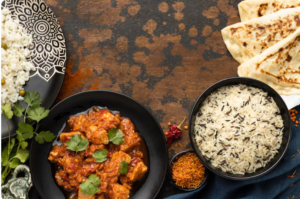
From North to South and East to West, Indian cuisine changes dramatically. Creamy gravies, rice-based dishes, fermented foods, and spicy curries reflect regional identities. This variety allows Indian Food to offer something for every taste preference, from mild to bold.
Traditional Cooking Methods
Indian cooking relies on time-tested techniques passed down through generations. Slow cooking, tempering spices in oil, and clay pot preparation bring out rich flavors. These methods preserve authenticity while maintaining nutritional value.
Balance of Taste and Nutrition
Indian meals are traditionally designed to balance all taste elements—sweet, salty, sour, bitter, and spicy. Lentils, vegetables, grains, and dairy work together to create wholesome meals. Indian Food is often praised for its natural balance of nutrients and flavors.
Cultural Significance of Meals
Food plays a central role in Indian culture and celebrations. Festivals, weddings, and family gatherings revolve around special dishes prepared with care and devotion. Cooking is seen as an expression of love, hospitality, and respect.
Street Food and Everyday Delights
Indian street food showcases creativity and bold flavors. Simple ingredients are transformed into flavorful snacks enjoyed by millions daily. These foods reflect local culture and provide affordable, satisfying meals across the country.
Vegetarian and Plant-Based Traditions
India has one of the richest vegetarian food traditions in the world. Influenced by philosophy and lifestyle choices, many dishes are naturally plant-based. Indian Food offers countless vegetarian options without compromising on taste or variety.
Influence Beyond Borders
Indian cuisine has gained global recognition for its flavors and techniques. Restaurants worldwide feature classic dishes adapted to local tastes. This global presence highlights the universal appeal of Indian Food and its ability to connect cultures.
Modern Adaptations and Innovation
While rooted in tradition, Indian cuisine continues to evolve. Modern chefs experiment with presentation, fusion dishes, and healthier alternatives. These innovations keep Indian Food relevant while honoring its origins.
Emotional Connection to Cooking
For many, cooking Indian meals is tied to memories of home and family. Recipes are often inherited, creating emotional bonds across generations. Food becomes a way to preserve identity and tradition.
Respect for Ingredients
Indian cooking emphasizes respect for ingredients through careful preparation and minimal waste. Seasonal vegetables and locally sourced grains are commonly used, supporting sustainable eating habits.
The Experience Beyond Taste
Indian meals are not just about eating; they are experiences. The colors, aromas, and textures engage all senses, making every meal memorable. This sensory richness sets Indian cuisine apart.
Conclusion
Indian Food is a reflection of culture, tradition, and thoughtful cooking. Through spices, regional diversity, and balanced meals, it tells a story that goes beyond flavor. Its deep roots and evolving nature continue to inspire people around the world, making it a timeless and meaningful cuisine.
I prefer this response