




A Smarter Way to Handle Busy Weeks
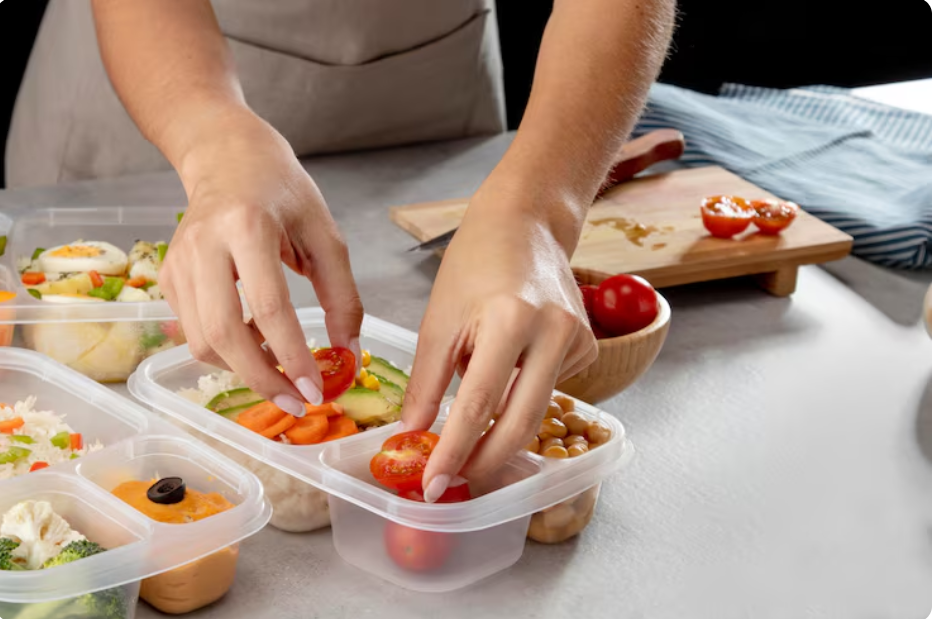
Modern routines are fast, and daily cooking can quickly feel overwhelming. Planning ahead brings structure to eating habits and removes last-minute stress. Preparing food in advance creates more control over time, budget, and nutrition while keeping the kitchen organized throughout the week.
Saving Time Every Single Day
One of the biggest advantages of planning meals early is the time saved during weekdays. Instead of starting from scratch each day, having ready components allows quick assembly of meals. This approach reduces cooking hours and frees time for work, family, or relaxation.
Reducing Daily Stress
Deciding what to eat every day can be mentally exhausting. When meals are already planned, decision fatigue disappears. Knowing exactly what is available brings peace of mind and keeps routines predictable, especially during busy mornings or late evenings.
Better Control Over Ingredients
Preparing food in advance encourages thoughtful ingredient selection. Fresh produce, balanced portions, and controlled seasoning become easier to manage. This leads to consistent eating habits and fewer impulsive choices that often come from hunger or lack of planning.
Budget-Friendly Eating Habits
Planning meals ahead helps avoid unnecessary spending. Buying ingredients in bulk and using them efficiently reduces food waste. Fewer restaurant visits and impulse grocery purchases naturally lead to better financial control over food expenses.
Organized Kitchen, Organized Mind
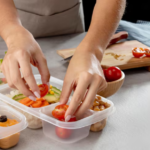
An organized refrigerator and pantry support efficient cooking. Clearly labeled containers and portioned meals save time and reduce mess. When everything has a place, cooking feels calmer and more enjoyable instead of rushed and chaotic.
Supporting Consistent Nutrition
Consistency plays a major role in maintaining healthy habits. Planning meals ahead makes it easier to maintain balanced eating patterns throughout the week. Regular intake of planned foods supports long-term wellness and energy stability.
Flexibility Without Pressure
Planning ahead does not remove flexibility. Meals can be swapped between days or adjusted based on appetite. Having prepared options available actually increases freedom, as choices are already aligned with personal goals.
Improving Portion Awareness
Pre-portioned meals help maintain balanced intake without constant measuring. This awareness supports mindful eating and reduces overeating. Over time, portion control becomes intuitive rather than forced.
Encouraging Home Cooking
When meals are planned, cooking at home becomes the default choice. This reduces reliance on processed foods and takeout. Home-prepared meals often offer better quality, freshness, and satisfaction.
Efficient Use of Cooking Time
Cooking multiple dishes at once uses time more effectively. Shared preparation steps such as chopping or cooking grains save effort. This batch approach transforms a single cooking session into multiple ready meals.
Supporting Long-Term Habits
Consistency builds habits, and habits shape lifestyle. Planning meals weekly creates a routine that becomes easier with time. What starts as an effort soon becomes a natural part of daily life.
Reducing Food Waste
Using ingredients intentionally prevents spoilage. Knowing what will be cooked and when ensures that food is used efficiently. Less waste benefits both the household and the environment.
Adapting to Different Lifestyles
This approach works for families, individuals, and professionals alike. Plans can be adjusted based on schedule, preferences, or dietary needs. Flexibility makes the system sustainable for the long run.
Creating a Calm Eating Environment
When meals are ready, eating becomes relaxed rather than rushed. This calm environment supports better digestion and enjoyment of food. Eating with intention enhances the overall experience.
Teaching Planning Skills
Planning meals builds valuable life skills such as organization, foresight, and responsibility. These skills extend beyond the kitchen and improve overall daily structure.
Supporting Physical and Mental Energy
Balanced meals prepared in advance support steady energy levels. Avoiding skipped meals or unhealthy choices improves focus and productivity throughout the day.
Encouraging Mindful Choices
When food is prepared intentionally, eating becomes more mindful. This awareness strengthens the relationship with food and supports healthier patterns.
Conclusion
By planning ahead, cooking becomes simpler, faster, and more organized. This method saves time, reduces stress, and supports consistent habits. When used thoughtfully, Meal Prep transforms weekly cooking into a smooth, reliable routine that supports both lifestyle and well-being.