
Cooking Made Easier for Everyone
Cooking at home does not have to feel stressful or time-consuming. With the right approach, anyone can prepare meals that taste great and look appealing. Small adjustments in the kitchen can save time, reduce mistakes, and make the entire process more enjoyable.
Start With Smart Preparation
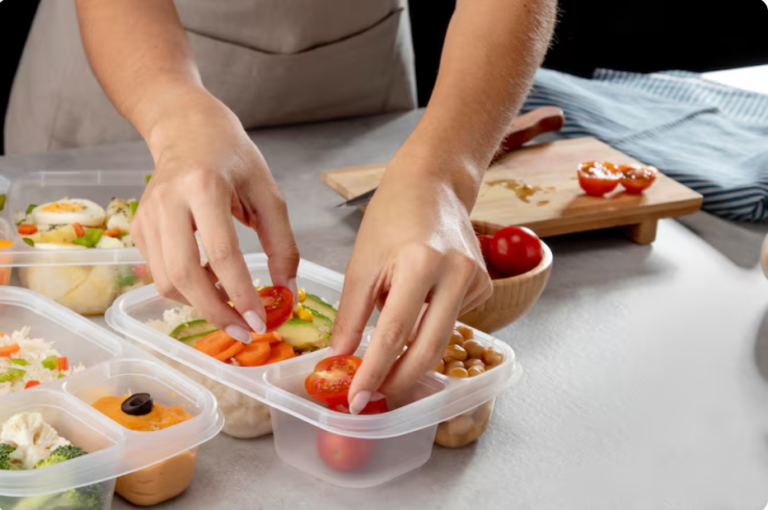
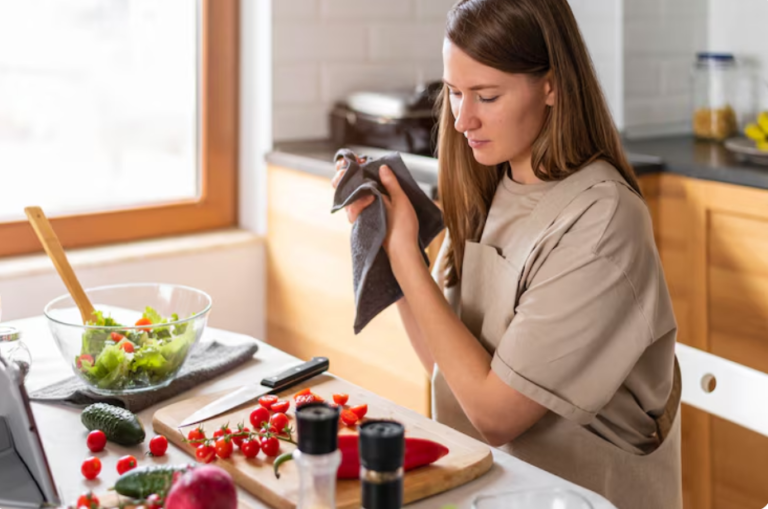
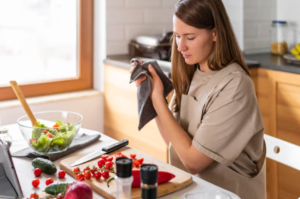
Preparation is the foundation of good cooking. Washing, chopping, and measuring ingredients before turning on the stove helps everything run smoothly. When ingredients are ready, you can focus on technique instead of rushing, which leads to better results and fewer errors.
Choose Quality Ingredients
Great meals begin with fresh and high-quality ingredients. Fresh vegetables, good oils, and proper spices enhance natural flavors without extra effort. Even simple dishes become more satisfying when ingredients are chosen carefully and stored properly.
Master Basic Knife Skills
Learning basic knife techniques improves both speed and safety. Consistent cutting ensures even cooking and better presentation. Sharp knives are actually safer than dull ones, as they reduce slipping and allow more control while preparing food.
Understand Heat Control
One of the most important Cooking Tips is learning how to manage heat. High heat is perfect for quick searing, while low heat works best for slow cooking and simmering. Understanding when to adjust temperature prevents burning and preserves flavor.
Season at the Right Time
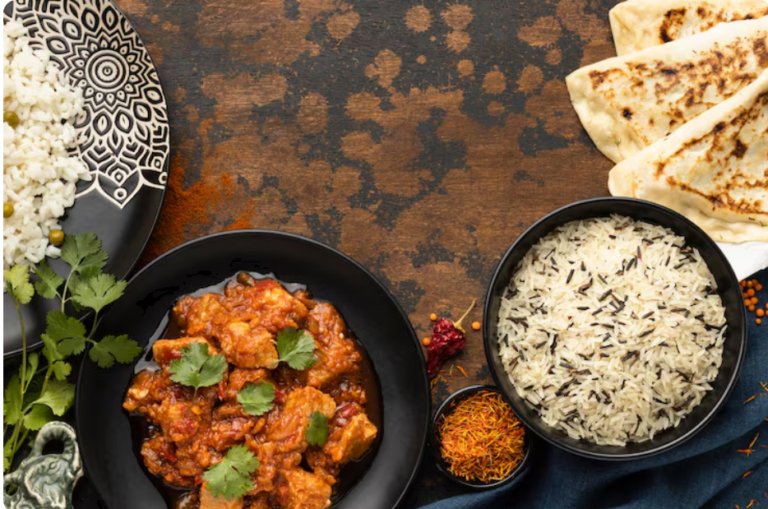
Seasoning is not just about adding salt at the end. Adding spices and herbs at different stages of cooking builds layers of flavor. Early seasoning enhances depth, while finishing touches add freshness and aroma to the dish.
Keep Your Kitchen Organized
A clean and organized kitchen improves focus and efficiency. Keeping tools within reach and cleaning as you go prevents clutter. This habit also makes cooking feel less overwhelming and more enjoyable, especially during busy days.
Use the Right Cookware
Different dishes require different cookware. Heavy-bottomed pans distribute heat evenly, while non-stick pans are great for delicate foods. Using the right pot or pan reduces sticking, improves texture, and saves cleanup time.
Taste as You Cook
Tasting food throughout the cooking process helps you adjust flavors early. This practice builds confidence and prevents surprises at the end. It is one of the most valuable Cooking Tips for developing a strong sense of balance in dishes.
Don’t Overcrowd the Pan
Overcrowding lowers the temperature of the pan and causes food to steam instead of brown. Cooking in small batches improves texture and flavor. This simple change can make a noticeable difference in the final result.
Learn Simple Substitutions
Knowing ingredient substitutions adds flexibility to cooking. If something is missing, alternatives can often work just as well. This reduces stress and allows creativity without compromising taste or quality.
Practice Time Management
Cooking becomes faster with experience and planning. Using timers, prepping in advance, and multitasking wisely helps meals come together efficiently. Good time management also prevents overcooking and rushed decisions.
Build Confidence Through Practice
Confidence grows with repetition. Trying new recipes and techniques regularly improves skills and reduces fear of mistakes. Every meal becomes a learning opportunity, even when things don’t go perfectly.
Enjoy the Process
Cooking should be enjoyable, not stressful. Playing music, experimenting with flavors, and cooking for loved ones makes the experience rewarding. A relaxed mindset leads to better focus and creativity in the kitchen.
Conclusion
Simple habits can completely change how you feel about cooking. With thoughtful preparation, smart techniques, and consistent practice, everyday meals become easier and more enjoyable. These Cooking Tips help build confidence, improve flavor, and turn cooking into a satisfying daily skill rather than a chore.