
Making Everyday Cooking Easier
Modern life is busy, and the kitchen often becomes a place where time feels limited. Small changes in how tasks are done can create big improvements. Smart techniques and habits help reduce stress, improve efficiency, and make cooking feel less like a chore and more like a smooth daily routine.
Organizing for Faster Results
A well-organized kitchen saves both time and energy. Keeping frequently used items within easy reach reduces unnecessary movement. When utensils, spices, and cookware have fixed places, cooking becomes more fluid. Good organization is one of the most effective Kitchen Hacks for daily efficiency.
Preparing Ingredients in Advance
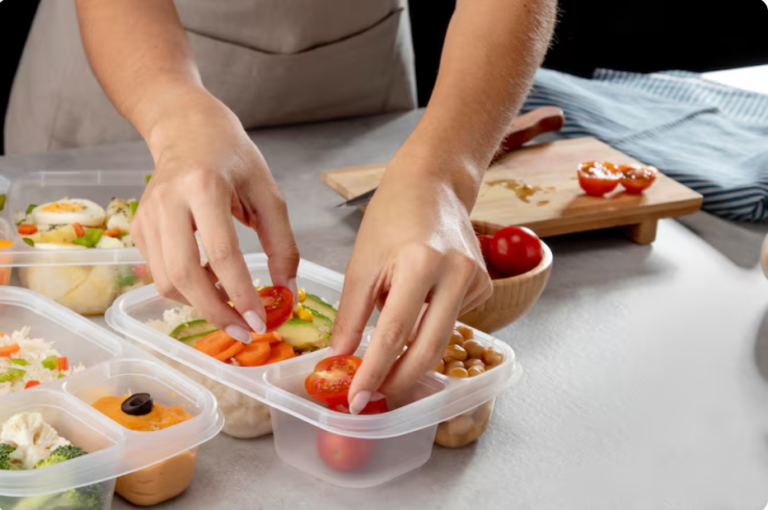
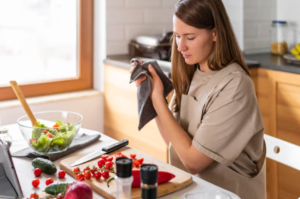
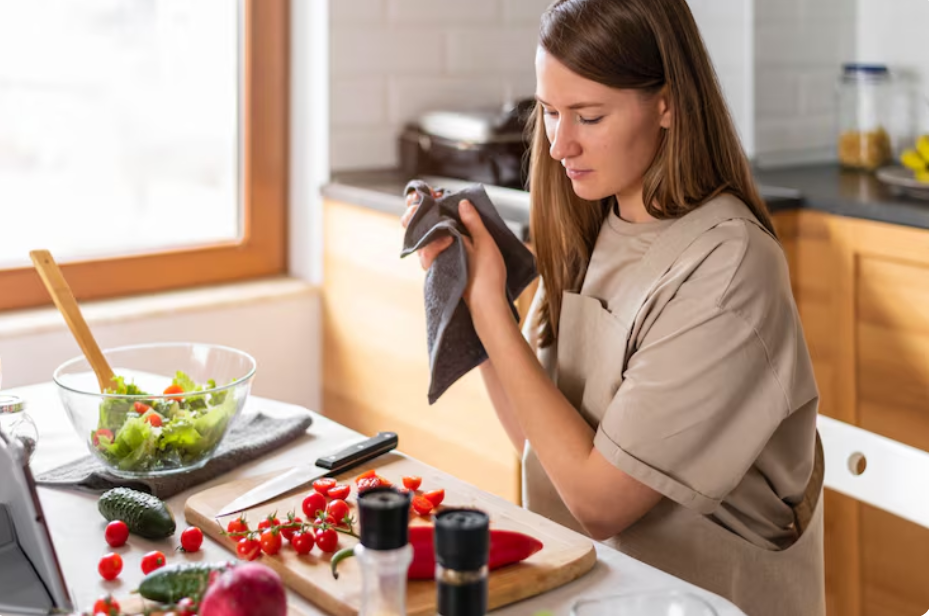
Prepping ingredients before starting to cook changes the entire experience. Washing vegetables, measuring spices, and chopping essentials ahead of time prevents rushing later. This approach helps maintain focus and allows cooking to flow without interruptions.
Smarter Use of Tools
Using the right tool for the right job makes a noticeable difference. Sharp knives reduce effort, and multipurpose tools save space and time. When tools are clean, sharp, and ready, tasks feel easier and quicker to complete.
Cleaning as You Go
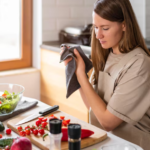
One of the simplest habits is cleaning during downtime. Washing utensils while something simmers keeps the workspace tidy. This reduces the post-cooking mess and makes the kitchen feel calm instead of overwhelming.
Time-Saving Cooking Techniques
Simple techniques such as batch cooking or one-pan meals reduce preparation and cleanup time. Cooking larger portions once and reusing them later minimizes daily effort. These methods are practical and fit well into busy schedules.
Energy-Smart Appliance Use
Using appliances efficiently saves both time and physical energy. Preheating only when necessary, using lids to cook faster, and choosing the correct burner size all contribute to smoother cooking. These small adjustments add up over time.
Ingredient Substitution Awareness
Knowing simple substitutions prevents last-minute stress. When a missing ingredient doesn’t stop cooking, confidence increases. Flexibility in the kitchen helps maintain momentum and creativity without unnecessary delays.
Storage That Supports Efficiency
Proper storage extends ingredient life and reduces waste. Transparent containers help identify contents quickly. Grouping similar items together makes meal preparation faster and more intuitive.
Reducing Decision Fatigue
Planning meals in advance removes daily guesswork. When meals are decided ahead of time, cooking feels lighter mentally. This habit saves energy and prevents last-minute unhealthy choices.
Improving Workflow in the Kitchen
A smooth workflow means fewer steps and better timing. Placing ingredients near the preparation area and cookware near the stove supports natural movement. Efficient layouts improve speed and comfort.
Using Heat and Timing Wisely
Understanding cooking times avoids overcooking or rushing. Starting items that take longer first and adding quicker-cooking ingredients later ensures balance. Good timing preserves flavor and texture.
Simplifying Recipes
Complex recipes are not always necessary. Simplified versions often taste just as good and require less effort. This mindset aligns with the idea that cooking should support daily life, not complicate it.
Building Consistent Habits
Consistency turns small actions into powerful routines. Repeating simple steps daily builds confidence and reduces mistakes. Over time, these habits become second nature.
Teaching and Sharing Techniques
Sharing helpful methods with family or friends builds a collaborative kitchen environment. Cooking together becomes faster and more enjoyable when everyone understands the flow.
Reducing Physical Strain
Good posture, proper counter height usage, and alternating tasks prevent fatigue. Small ergonomic adjustments protect energy and make long cooking sessions easier.
Staying Calm Under Pressure
When cooking feels rushed, mistakes happen. Pausing briefly, organizing thoughts, and following steps calmly improves results. Confidence grows when the process feels controlled.
Adapting to Personal Style
Every cook has a unique rhythm. Adjusting methods to suit personal preferences ensures long-term consistency. The best Kitchen Hacks are the ones that fit naturally into daily habits.
Conclusion
Smart kitchen habits transform daily cooking into a smoother, less tiring experience. By organizing thoughtfully, preparing ahead, and working efficiently, time and energy are preserved. These small changes create a kitchen environment that supports comfort, confidence, and enjoyment every day.